

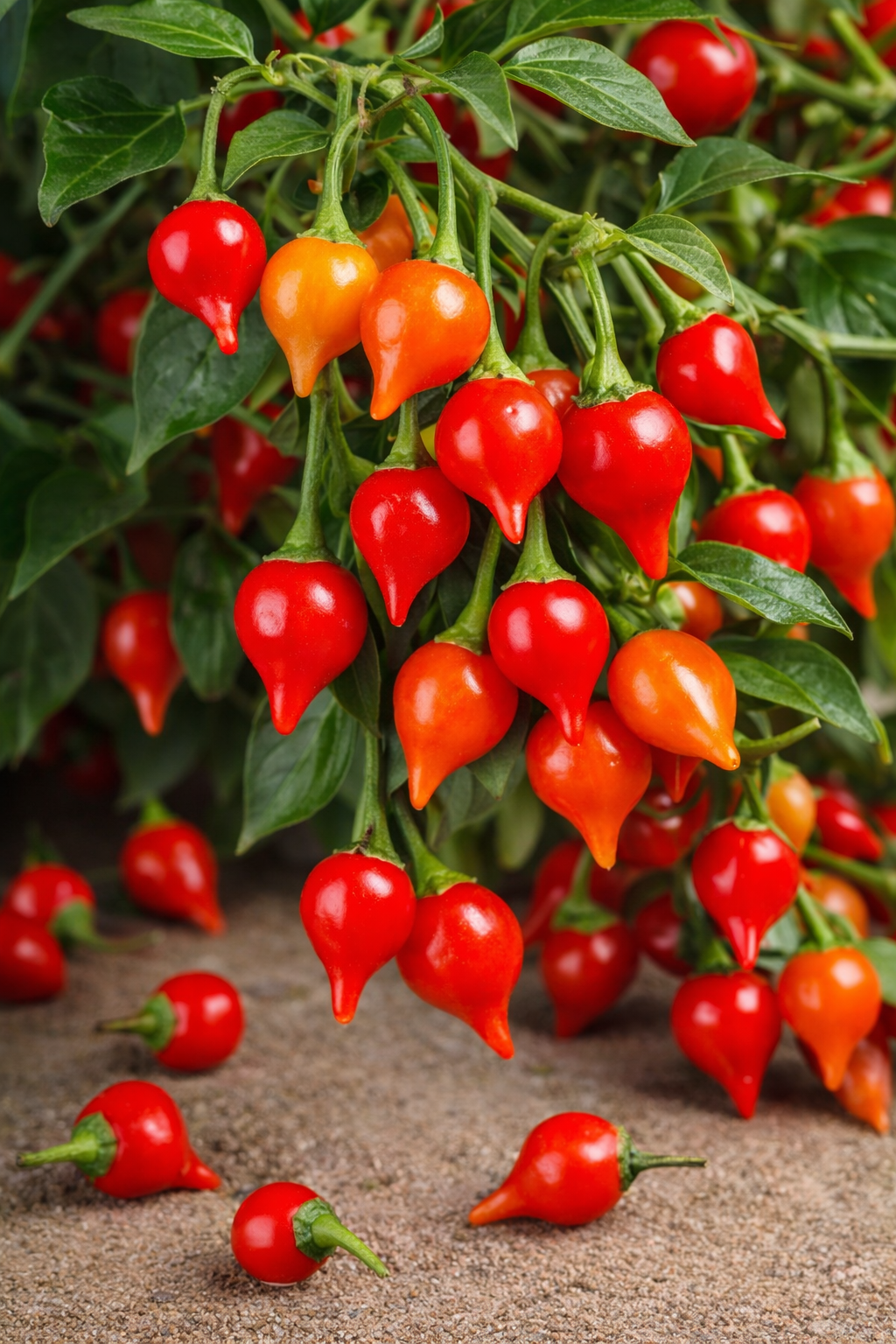
Biquinho peppers are small, aromatic chillies best known for their sweet flavour, mild heat, and distinctive teardrop shape. Originally from Brazil, they are increasingly popular with home growers who want flavour without intense heat.
Despite their tropical origins, Biquinho peppers can be grown very successfully in the UK if you understand their needs and start early enough. This guide explains how to grow them from seed to harvest, with advice tailored specifically to British conditions.
What Are Biquinho Peppers?
Biquinho peppers (sometimes called little beak peppers) are compact chilli plants producing small, rounded fruits with a pointed tip. They ripen from green to bright red and are known more for aroma and sweetness than heat.
- Very mild heat (often barely perceptible)
- Sweet, fruity flavour
- Thin to medium walls
- Heavy cropping when kept warm
- Excellent for pickling, garnishing, and sauces
Can You Grow Biquinho Peppers in the UK?
Yes — but they are not a low-effort crop in our climate.
To succeed in the UK, you must manage three factors carefully:
- Temperature – consistent warmth is essential
- Light – UK daylight is often insufficient early in the year
- Season length – Biquinho peppers are slow to mature
They perform best:
- In greenhouses
- On sunny, south-facing windowsills
- In pots that can be moved during cold spells
Outdoor growing is possible only in settled summers and sheltered locations.
When to Sow Biquinho Pepper Seeds (UK Timing)
Biquinho peppers must be started early.
Ideal sowing window (UK): late January to early March
Sowing later than this often results in plants that flower but fail to ripen fruit before autumn.
How to Sow Biquinho Pepper Seeds
You will need:
- Fine seed compost (low nutrient)
- Seed trays or small modules
- Heat mat (strongly recommended)
- Grow light or a very bright window
Method:
- Sow seeds around 5–8 mm deep
- Water lightly — compost should be moist, not saturated
- Maintain a temperature of 24–28°C
- Expect germination in 10–20 days
Without bottom heat, germination in the UK is often slow and unreliable.
Light Requirements (A Common UK Mistake)
Biquinho seedlings become leggy very easily.
- A windowsill alone is often insufficient in late winter
- Supplementary lighting for 12–14 hours per day gives far better results
- Keep lights close to plants to prevent stretching
Short, stocky seedlings always outperform tall, weak ones later.
Potting On and Early Growth
Once seedlings develop their first true leaves:
- Pot on into 9–10 cm pots
- Use free-draining compost (add perlite or horticultural grit)
- Keep temperatures above 18°C where possible
Avoid feeding at this stage — excess nitrogen encourages leaf growth rather than flowers later.
Growing Biquinho Peppers in Pots vs the Ground
Pots (Recommended for the UK)
- Better temperature control
- Easy to move during cold nights
- Improved drainage
Use 10–15 litre pots per plant for best results.
Ground (Greenhouse Only)
- Soil must drain freely
- Improve with compost and grit
- Cold soil significantly slows growth
Watering Biquinho Peppers Properly
Biquinho peppers dislike extremes.
- Keep compost evenly moist
- Allow the top layer to dry slightly between watering
- Avoid waterlogging — this causes root stress and flower drop
In summer, potted plants may need watering daily, particularly in greenhouses.
Feeding for Flowering and Fruit
Once flowering begins:
- Switch to a high-potassium feed
- Feed weekly at half strength
- Avoid nitrogen-heavy feeds
Too much feed produces leaves instead of peppers.
Pollination and Flower Drop
Flower drop is common in UK conditions.
Likely causes include:
- Night temperatures below 12°C
- Sudden temperature swings
- Overwatering or inconsistent watering
In greenhouses or indoors, gently shaking plants and improving airflow helps pollination.
When to Harvest Biquinho Peppers
- Green – mild, fresh flavour
- Fully red – sweeter and more aromatic
Allowing fruit to fully ripen greatly improves flavour, though it requires patience in the UK climate.
Common Problems and Straightforward Fixes
| Problem | Likely Cause |
|---|---|
| Slow growth | Insufficient warmth |
| Tall, weak plants | Not enough light |
| Flowers falling | Cold nights or stress |
| Poor harvest | Sown too late |
Final Thoughts
Biquinho peppers reward early starts, warmth, and restraint. They are not a “plant and forget” chilli, but with proper care they produce beautifully flavoured fruit that are far superior to supermarket alternatives.
If you focus on:
- Early sowing
- Adequate heat
- Strong light for seedlings
- Careful feeding once flowering starts
You can grow excellent Biquinho peppers even in a British summer.
