

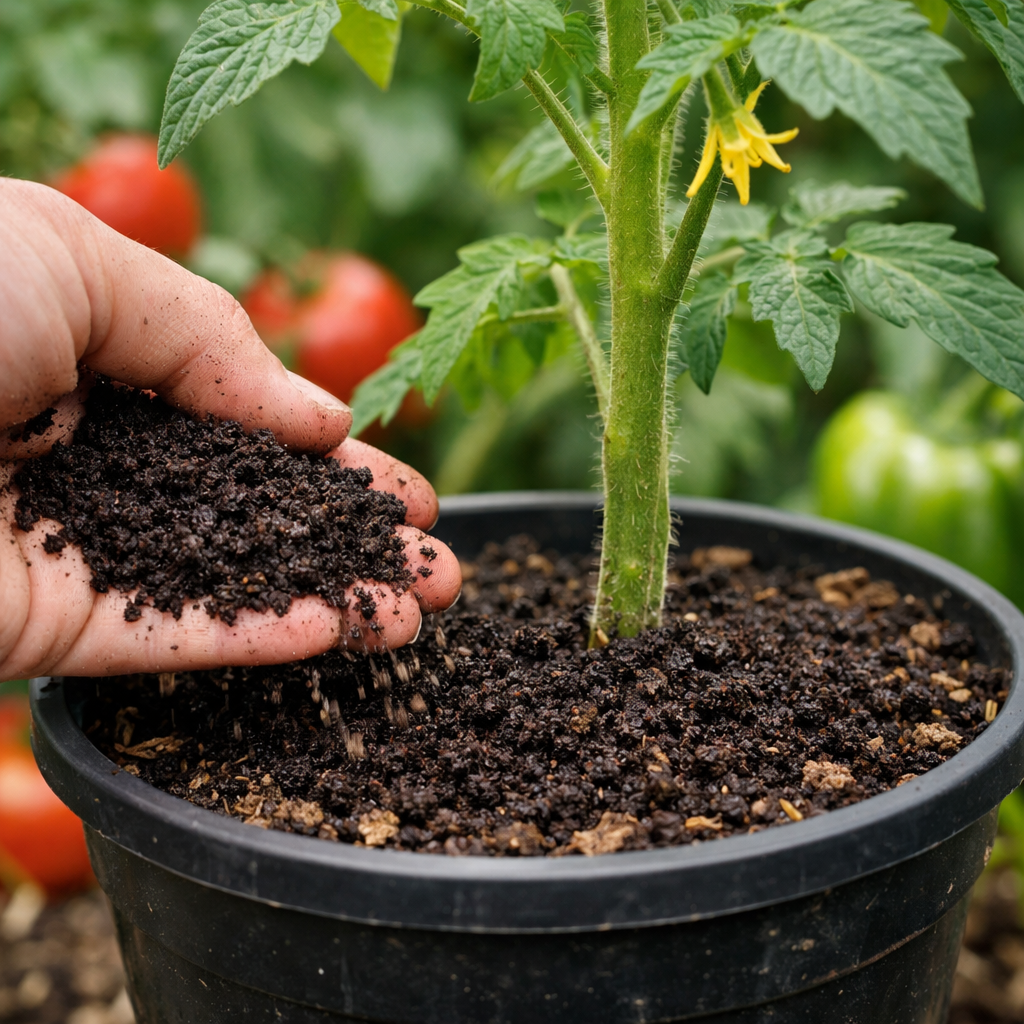
If you grow tomatoes, chillies, or peppers, you’ve probably noticed the same thing every season: the plants that get the best soil always win. Stronger stems, darker leaves, more flowers, better fruit set. That’s where worm compost (also called worm castings) comes in. It’s one of the easiest ways to improve your potting mix or beds without relying on harsh feeds or guesswork.
This guide explains how to use worm compost properly for fruiting plants, how much to apply, how to make a simple worm tea, and the common mistakes that hold growers back.
What worm compost actually does (and why tomatoes love it)
Worm castings are the finished result of worms processing organic matter. The final material is dark, crumbly, and smells pleasantly earthy. For tomato, chilli, and pepper plants, castings help in three main ways:
- Soil structure: improves moisture retention and airflow around roots (especially helpful in pots).
- Gentle nutrition: provides a steady trickle of nutrients without “burning” plants.
- Microbial boost: encourages a healthier root zone so plants handle stress better.
It’s not a magic potion, but it’s a brilliant foundation. Think of it as upgrading your soil so your feeding and watering work better.
When to use worm castings for tomatoes, chillies and peppers
There are three perfect moments to use worm compost:
- When potting on (moving seedlings into larger pots)
- When planting out (into a grow bag, raised bed, or greenhouse border)
- As a top-dress (mid-season support when the plant is flowering/fruiting)
In the UK, a simple rhythm is: castings at planting, then a light top-dress every 3–4 weeks during heavy flowering and fruiting.
How much worm compost to use (easy measurements)
For pots (tomatoes, chillies, peppers)
- Potting mix blend: add 10–20% castings into your potting mix.
- Top-dress: add a 1–2cm layer on the surface, then water it in.
For beds or greenhouse borders
- Planting hole method: mix in 1–2 handfuls of castings per plant with the surrounding soil/compost.
- Top-dress: sprinkle a ring around the plant (not touching the stem) and gently work it into the top few centimetres.
Tip: Tomatoes are heavier feeders than chillies and peppers, so they’ll usually appreciate the higher end of those ranges.
A safe “worm tea” you can make at home
Worm tea is useful when plants are actively growing fast and you want a gentle boost between feeds. Keep it simple and avoid making it too strong.
Quick method (no equipment)
- Put 2–3 tablespoons of worm castings into a jar or bucket.
- Add 1 litre of water and stir well.
- Leave for 8–24 hours, stirring occasionally.
- Strain (old sieve or cloth) and water your plants.
Dilution: If it looks very dark like strong tea, dilute it to a lighter colour. When in doubt, go weaker rather than stronger—especially for chillies and peppers.
Common mistakes (and how to avoid them)
- Overfeeding with “everything” at once: castings work best as a base. If you also use a strong liquid feed, reduce the liquid feed slightly and watch the plant response.
- Piling castings against the stem: always leave a small gap around the main stem to reduce rot risk.
- Using soggy, compacted potting mix: even the best compost can’t fix poor drainage. Add perlite or grit if your pots stay wet for days.
- Ignoring light and warmth: chillies and peppers sulk in low light and cold nights. Castings help, but heat and sun still matter most.
A simple feeding plan (tomatoes vs chillies vs peppers)
If you want an easy routine that covers most UK setups:
- Tomatoes: castings at planting + top-dress every 3–4 weeks. Start tomato feed once flowers set fruit.
- Chillies: castings at potting on + light top-dress monthly. Don’t overdo nitrogen or you’ll get leaves instead of pods.
- Sweet peppers: castings at planting + top-dress monthly. Keep watering consistent for best fruit shape.
What to do next
If you’re just starting, aim for one improvement you can actually stick to: add 10–20% worm compost to your potting mix and do one top-dress a month. That alone is enough to see stronger growth and better fruiting over the season.
If you’d like, you can also read: How to Grow Chillies in the UK: Pot Sizes, Heat, and Feeding and Tomato Blight Prevention: Practical Steps for Outdoor Growers.
